With 4 Simple Visualization Techniques for Relaxation at the forefront, get ready to dive into a world of calmness and relaxation. Discover how these techniques can transform your mental state and lead you to a more peaceful mind.
Let’s explore the power of visualization in reducing stress and anxiety, enhancing mindfulness, and promoting overall well-being.
Introduction to Visualization Techniques
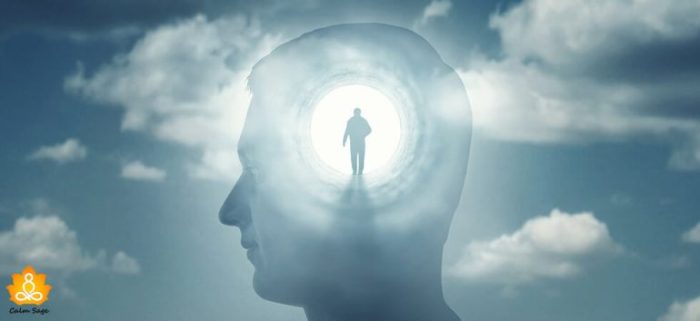
Visualization techniques for relaxation involve using mental imagery to create a sense of calm and peace within oneself. By visualizing soothing scenes, situations, or outcomes, individuals can effectively reduce stress and anxiety levels. This practice is often used in meditation, mindfulness, and other relaxation exercises to promote a state of relaxation and well-being.The importance of practicing visualization for relaxation lies in its ability to shift focus away from negative thoughts and emotions towards positive and calming images.
By engaging in visualization, individuals can create a mental escape from the stresses of daily life, allowing them to unwind and rejuvenate their mind and body.Incorporating visualization techniques into a relaxation routine can offer numerous benefits. Not only can it help reduce stress and anxiety, but it can also improve focus, enhance self-awareness, and promote emotional well-being. Visualization can be a powerful tool for self-care and can be easily integrated into daily routines to support overall mental health.Examples of situations where visualization can be helpful for relaxation include before bedtime to promote restful sleep, during moments of high stress to calm the mind, before a challenging task to boost confidence, or simply as a daily practice to maintain a sense of inner peace and balance.
Guided Imagery
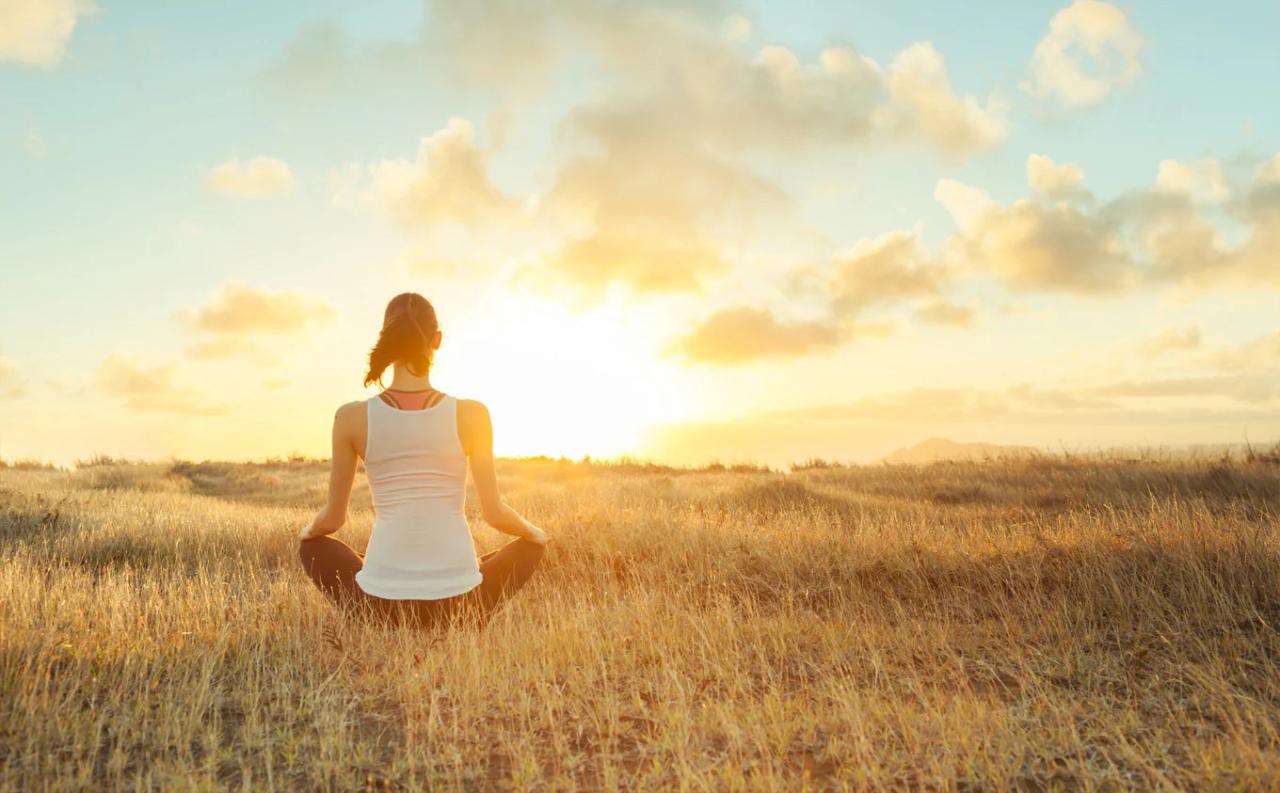
Guided imagery is a relaxation technique that involves visualizing peaceful and calming scenes to promote relaxation and reduce stress. This method uses the power of imagination to create mental images that help calm the mind and body.
Role of Guided Imagery in Relaxation
Guided imagery can help in reducing stress and anxiety by diverting the mind’s attention away from negative thoughts and emotions. By focusing on positive and soothing mental images, individuals can experience a sense of relaxation and tranquility. This technique can also help in lowering heart rate, reducing muscle tension, and promoting a sense of well-being.
Tips for Creating a Calming Guided Imagery Script
- Start by choosing a peaceful and serene setting for the imagery, such as a beach, forest, or meadow.
- Use descriptive language to vividly describe the scene, including sights, sounds, smells, and sensations.
- Incorporate relaxation cues like deep breathing, progressive muscle relaxation, and positive affirmations.
- Encourage the listener to engage all their senses in the visualization process.
- Keep the script simple and easy to follow, allowing for pauses to let the imagery sink in.
Examples of Scenarios Suitable for Guided Imagery Practices
- Imagining yourself lying on a peaceful beach, feeling the warmth of the sun on your skin and hearing the gentle sound of ocean waves.
- Visualizing a serene forest, with tall trees swaying gently in the breeze and birds singing in the distance.
- Picturing yourself in a cozy cabin by a crackling fireplace, wrapped in a warm blanket and feeling completely at ease.
Progressive Muscle Relaxation
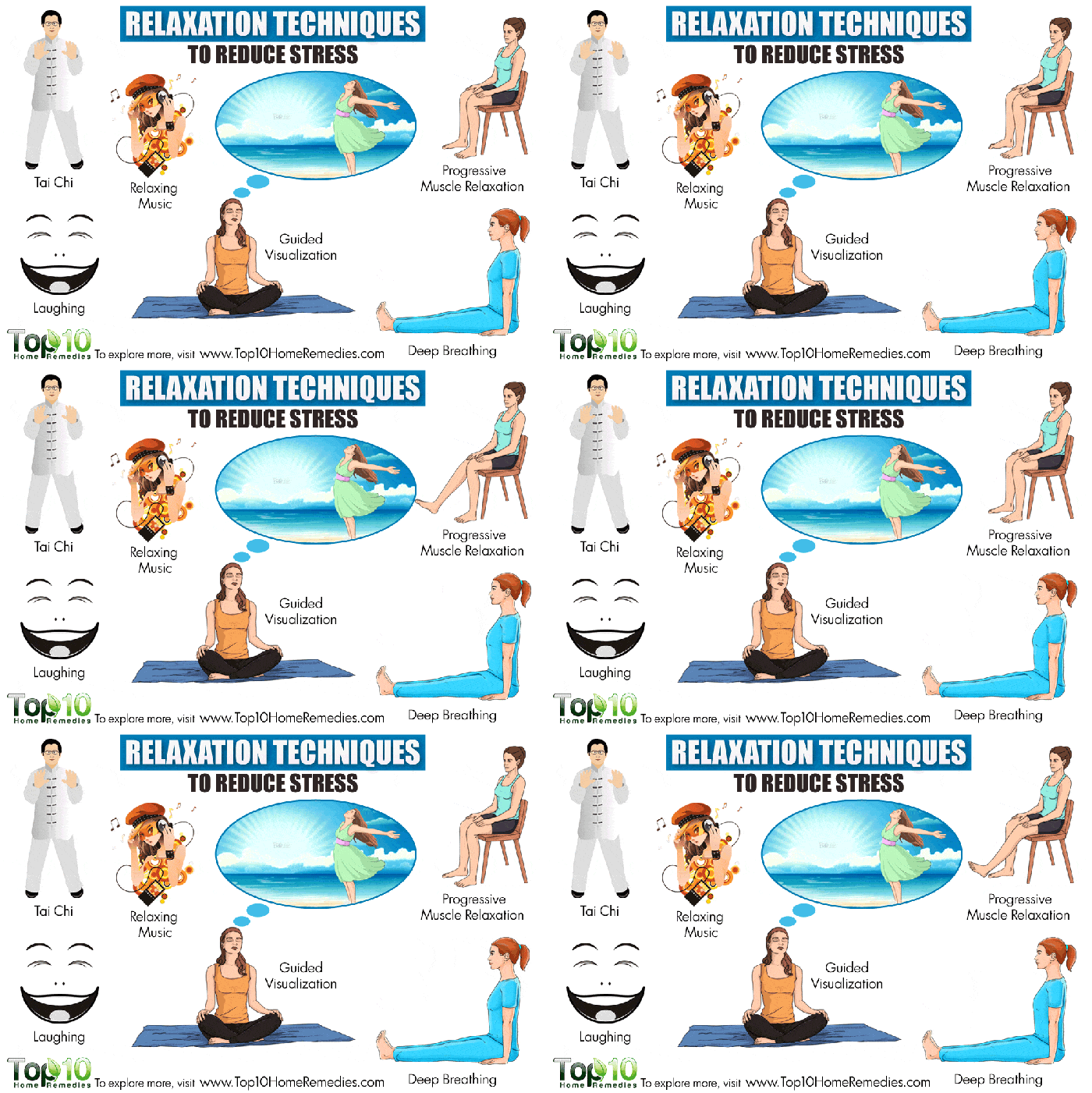
Progressive Muscle Relaxation (PMR) is a relaxation technique that involves tensing and then relaxing specific muscle groups in a systematic order. This practice helps to release physical tension and promote relaxation throughout the body.
Benefits of Progressive Muscle Relaxation, 4 Simple Visualization Techniques for Relaxation
- Reduces muscle tension: By intentionally tensing and relaxing muscles, PMR helps to release built-up tension in the body.
- Relieves stress: PMR can help calm the mind and reduce stress levels by promoting a state of relaxation.
- Improves sleep: Engaging in PMR before bedtime can help improve sleep quality by relaxing the body and mind.
- Enhances body awareness: PMR allows individuals to become more aware of how tension manifests in different muscle groups.
How to Perform Progressive Muscle Relaxation
- Find a quiet and comfortable space to sit or lie down.
- Start by taking a few deep breaths to relax your body and mind.
- Begin with your toes, tensing the muscles in your feet for a few seconds, then releasing the tension and focusing on the feeling of relaxation.
- Move on to each muscle group, such as your calves, thighs, abdomen, shoulders, and so on, repeating the process of tensing and relaxing.
- Continue until you have worked through all major muscle groups in your body.
- Take a few moments to enjoy the overall feeling of relaxation in your body.
Examples of Muscle Groups to Focus on During Progressive Muscle Relaxation
- Feet and toes
- Calves and thighs
- Abdomen and lower back
- Shoulders and neck
- Forearms and hands
Mindfulness Meditation: 4 Simple Visualization Techniques For Relaxation
Mindfulness meditation is a practice that involves focusing on the present moment without judgment. It is about being fully aware of your thoughts, feelings, sensations, and surroundings. This form of meditation has a strong connection to relaxation as it allows individuals to let go of stress, anxiety, and worries by simply observing them without getting caught up in them.
Impact on Mental Well-being
Mindfulness meditation has been shown to have a profound impact on mental well-being. By cultivating a non-judgmental awareness of the present moment, individuals can reduce symptoms of depression, anxiety, and chronic pain. It promotes emotional regulation, increases self-awareness, and enhances overall psychological resilience.
- Reduces stress and anxiety levels
- Improves focus and concentration
- Promotes a sense of calm and relaxation
- Enhances self-compassion and empathy
Techniques to Enhance Mindfulness
To enhance mindfulness during meditation for relaxation, it is essential to focus on the breath, body sensations, and thoughts without attachment. Here are some techniques to deepen mindfulness practice:
- Body Scan: Start by bringing attention to different parts of the body, noticing any tension or discomfort, and then releasing it.
- Loving-Kindness Meditation: Cultivate feelings of love and compassion towards oneself and others, promoting a sense of interconnectedness.
- Walking Meditation: Practice mindfulness while walking, paying attention to each step and the sensations in the body.
- Labeling Thoughts: Identify thoughts as they arise during meditation, labeling them as “thinking” and gently returning focus to the breath.
Mindfulness Exercises for Relaxation
Integrating mindfulness exercises into a relaxation routine can significantly enhance the overall experience. Here are some examples of mindfulness exercises that can be practiced:
- Deep Breathing: Focus on the sensation of the breath entering and leaving the body, taking slow, deep breaths to calm the mind and body.
- Body Awareness: Scan the body from head to toe, noticing any areas of tension or discomfort, and then consciously relax those muscles.
- Sensory Awareness: Engage your senses fully by observing sights, sounds, smells, tastes, and textures without judgment, allowing yourself to be fully present in the moment.
- Gratitude Practice: Reflect on things you are grateful for, cultivating a sense of appreciation and positivity, which can help reduce stress and promote relaxation.
Last Recap
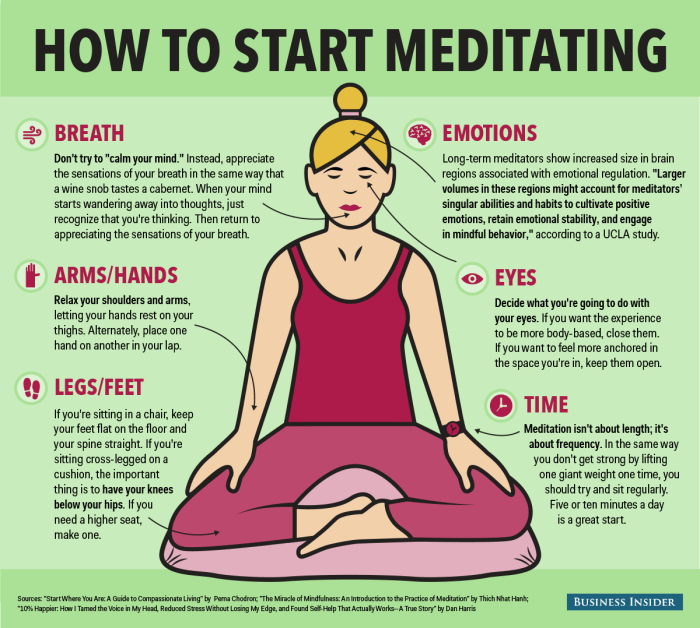
In conclusion, incorporating these visualization techniques into your relaxation routine can truly make a difference in your mental health. Start your journey to a more relaxed and peaceful mind today!